

Taiwan is a vibrant island with a rich tapestry of cultures and languages. While Mandarin Chinese is the official language, the linguistic landscape is far more diverse. Many residents also speak Taiwanese Hokkien, Hakka, and indigenous languages, reflecting the island’s complex history and multicultural identity.
Understanding the languages spoken in Taiwan offers a glimpse into its unique social fabric. Each language carries its own history and significance, shaping the way people connect with their heritage. As Taiwan continues to evolve, the preservation and promotion of these languages remain crucial for future generations.
Overview of Languages in Taiwan
Taiwan’s linguistic landscape is rich and varied, showcasing the region’s cultural diversity. Mandarin Chinese stands as the official language, spoken by approximately 83% of the population. It plays a crucial role in government, education, and media.
Taiwanese Hokkien ranks as the second most commonly spoken language, used by around 70% of residents. Its prevalence highlights the significant influence of southern Fujian culture in Taiwan’s society. Hakka, another vital language, is spoken by roughly 15% of the population, primarily among the Hakka ethnic group, concentrated in specific areas of Taiwan.
Indigenous languages contribute to Taiwan’s linguistic variety as well. There are approximately 16 recognized indigenous languages, representing various ethnic groups. These languages include Amis, Atayal, and Paiwan, among others. Efforts are ongoing to preserve and revitalize these languages, ensuring cultural heritage remains alive.
Understanding Taiwan’s languages provides insight into its multicultural identity and social dynamics, reinforcing the significance of language preservation initiatives.
Major Languages Spoken in Taiwan
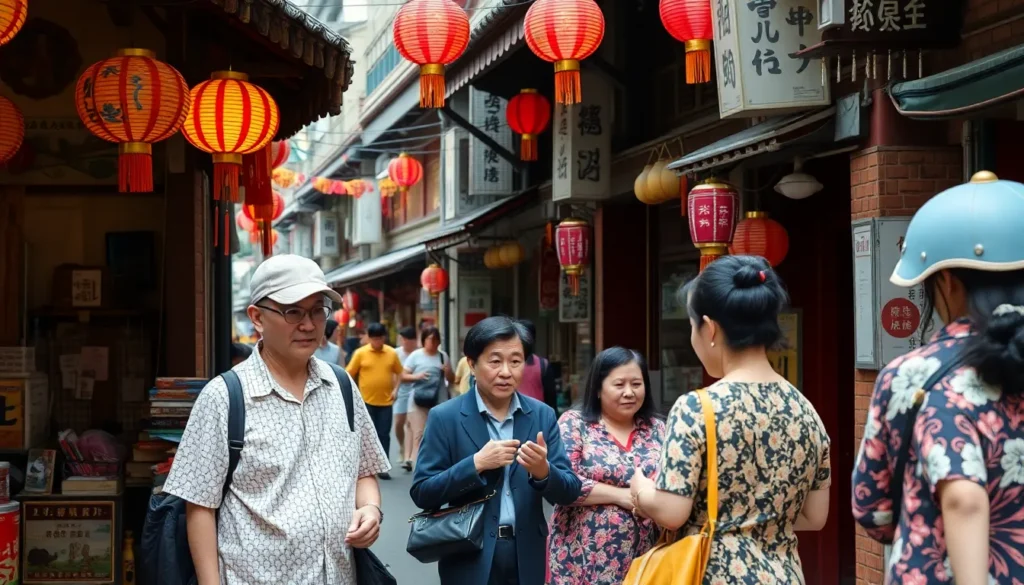
Taiwan’s linguistic landscape features several major languages that serve as vital elements of its cultural identity. The presence of Mandarin Chinese, Taiwanese Hokkien, and Hakka reflects the island’s rich history and diverse population.
Mandarin Chinese
Mandarin Chinese serves as the official language of Taiwan, spoken by approximately 83% of the population. It acts as the primary medium for government, education, and media. Its prevalence connects Taiwan with global Chinese speakers and reinforces ties to mainland China. Mandarin Chinese proficiency among non-native speakers has increased due to educational programs aimed at language acquisition.
Taiwanese Hokkien
Taiwanese Hokkien ranks as the second most commonly spoken language, used by around 70% of the population. This language, rooted in southern Fujian culture, plays a significant role in daily life, particularly in familial and community settings. Taiwanese Hokkien enriches local literature, music, and media, enhancing its cultural significance. Efforts exist to preserve and promote this language, amid concerns about diminishing use among younger generations.
Hakka
Hakka is spoken by roughly 15% of the population, primarily among the Hakka ethnic group. This language features unique dialects and reflects distinct cultural practices. Hakka communities across Taiwan maintain traditional customs and languages through festivals and educational initiatives. Government efforts emphasize the importance of Hakka cultural preservation, fostering pride among speakers and promoting intergenerational communication.
Indigenous Languages of Taiwan
Indigenous languages in Taiwan form a significant part of its cultural heritage. Approximately 16 recognized indigenous languages, classified as Formosan languages, are spoken by various ethnic groups.
Formosan Languages
Formosan languages encompass the indigenous languages of Taiwan, showcasing a rich linguistic diversity. Key languages include:
- Amis: Primarily spoken in eastern Taiwan, it has the largest number of speakers among the indigenous languages.
- Atayal: Spoken in northern Taiwan, this language features two main dialects, Tayan and Squliq.
- Paiwan: Found in southern Taiwan, it contains unique cultural expressions and extensive oral literature.
- Bunun: Spoken in the central mountainous regions, it is known for its complex phonetics.
- Rukai: Spoken in the southern part of the island and features a distinct sound system.
These languages reflect varied cultural identities and practices among the indigenous peoples, serving as vital links to their histories and traditions.
Current Status and Preservation Efforts
The status of indigenous languages in Taiwan faces challenges due to urbanization and globalization. Many languages are at risk as younger generations gravitate towards Mandarin Chinese. Preservation efforts include:
- Education Initiatives: Schools offer courses in indigenous languages, providing students the opportunity to learn their native tongues.
- Cultural Programs: Festivals and community events promote awareness and use of indigenous languages in cultural contexts.
- Government Support: The Taiwanese government recognizes the importance of these languages, implementing policies aimed at revitalization.
Organizations actively engage in archiving languages and linguistic research, aiming to sustain and reinforce the cultural significance of Taiwan’s indigenous languages.
Language Policy and Education in Taiwan
Language policy in Taiwan plays a crucial role in shaping the linguistic landscape and promoting cultural diversity. The education system actively supports multiple languages and aims to preserve local languages alongside Mandarin Chinese.
Official Language Status
Mandarin Chinese holds official language status in Taiwan, serving as the primary medium for government communication, education, and media. Approximately 83% of the population speaks Mandarin, facilitating interactions within the global Chinese-speaking community. While Mandarin dominates, the government recognizes the importance of Taiwanese Hokkien, Hakka, and indigenous languages. An initiative promotes multilingualism and cultural identity, ensuring legal protection for all recognized languages, including 16 indigenous languages like Amis, Atayal, and Paiwan.
Language Teaching in Schools
Schools in Taiwan implement language education policies that reflect the country’s linguistic diversity. Mandarin is the language of instruction, but local languages like Taiwanese Hokkien and Hakka are also increasingly integrated into the curriculum. Several schools offer courses in indigenous languages, emphasizing cultural preservation and identity. Programs encourage students to learn about their linguistic heritage, while government-funded initiatives support teachers in developing bilingual education resources. This approach not only aims to preserve Taiwan’s diverse languages but also strengthens community ties and cultural understanding among students.
Taiwan’s linguistic diversity is a testament to its rich cultural heritage and history. With Mandarin Chinese as the official language, the presence of Taiwanese Hokkien, Hakka, and indigenous languages showcases the island’s multicultural identity. Each language plays a vital role in connecting communities and preserving unique traditions.
Efforts to promote and preserve these languages are crucial for future generations. As Taiwan continues to navigate the challenges of globalization, the significance of maintaining this linguistic variety becomes even more apparent. By fostering an appreciation for all languages spoken in Taiwan, the nation can ensure that its vibrant cultural tapestry remains intact and thrives for years to come.


